
Virtual Land
Kukun DeveloperMaps & Navigation
4.3144.00 Reviews
- Version
- 4.4.0
- Installs
- 100.00K
- Age Rating
- Everyone
Screenshots


Our Review of Virtual Land
 Analysis by Appyee
Choosing a virtual-land app is less about finding the most realistic map and more about deciding what you want to do with a digital place once you have it. I’d ask myself whether I’m here to browse plots, enjoy a creative project, or spend time around other players. Virtual Land is presented as a virtual real-estate experience, so it makes most sense for someone curious about exploring and building in a shared digital setting, rather than someone looking for practical directions or ordinary map navigation.
What to decide before you begin
The first question I’d settle is how much of the appeal comes from the idea of owning a plot. If choosing a piece of virtual ground and imagining what to do with it sounds satisfying, the central concept may hold your attention. If you need a conventional navigation app to plan a journey, find a destination, or guide you on the road, this is the wrong kind of tool despite its Maps & Navigation category.
It also helps to think about your preferred pace. A virtual property experience can invite slow browsing and ongoing choices; it is not automatically a quick, practical utility. I would approach it as something to explore in spare moments, not as a shortcut for a real-world task. That distinction matters because the word “land” can sound like a serious investment product, while this app’s short description, “Virtual Land,” points toward a digital experience.
Price is another sensible decision point. The app is free to download, but it includes in-app purchases priced from $0.49 to $2.99 per item. I’d start without spending and first work out whether the basic experience is enjoyable. Small purchases can still add up if the app encourages repeated spending, so I would treat each one as optional entertainment rather than assume that buying more guarantees a better experience.
Getting Started with Virtual Land
First things first, downloading and setting up the app is a breeze. Available on both Android and iOS, Virtual Land ensures a smooth entry into its universe. Once you’ve installed the app, you're greeted with a vibrant interface that's both intuitive and visually appealing. The user interface is designed to guide you effortlessly, which is perfect for first-timers.
When you launch the app, you’ll need to create an account. It’s a straightforward process, requiring just a few basic details. Once you're in, the real fun begins. You’re presented with a map of virtual territories, each with its own unique features and values. It's like a digital version of Monopoly, but on a much grander scale.
Exploring the Virtual Terrain
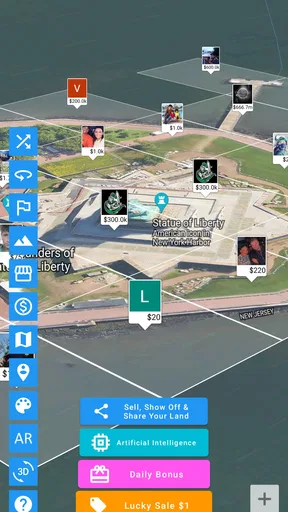
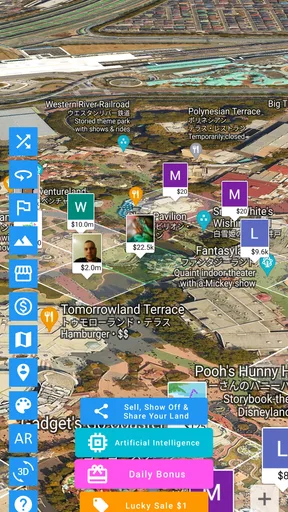
The map in Virtual Land is divided into various plots, each available for purchase or lease. What I love about the app is the sheer diversity of landscapes. Whether you're into lush forests, bustling cityscapes, or serene beaches, there's something for everyone. The graphics are impressive, making the terrains look surprisingly realistic.
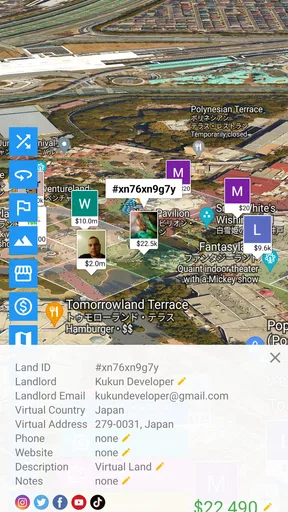
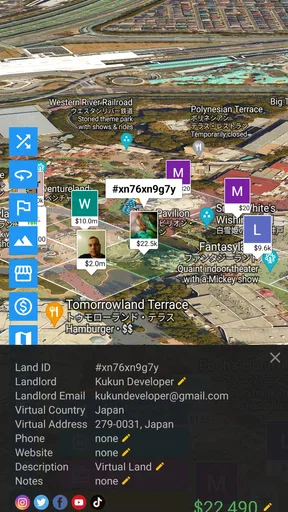
Navigation is simple; you can zoom in and out to explore different areas, and tapping on a plot gives you detailed information about its properties and price. It’s quite engaging to browse through the different options and imagine the potential of each piece of land.
For me, the map is best approached with a little purpose rather than endless browsing. I would begin with one clear preference—perhaps the look of a landscape or the kind of place I’d enjoy shaping—and compare a small number of plots before deciding what seems appealing. This makes the choice feel more deliberate and helps avoid treating a visually attractive plot as automatically valuable. A useful habit is to pause on a plot and consider what you actually want from it before moving on: a personal creative project, a place to revisit, or simply the pleasure of exploring.
A realistic way to fit this into a day is to open the app during a short break, inspect a few areas, and leave a decision for later rather than making a purchase on impulse. If a plot still interests you after you have looked at other options, that is a better sign than an immediate reaction to a striking view. I would also keep a simple mental distinction between what the app lets me enjoy as a virtual space and what would count as real-world property; the former is the point here.
The Buying Experience
Purchasing a plot is where the thrill really kicks in. The app offers an easy-to-use bidding system. You can see ongoing auctions and place bids on your desired plots. The excitement of watching your bid go up against others is akin to a real auction house. Plus, the app notifies you if someone outbids you, so you’re always in the loop.
Once you secure a plot, the app allows you to customize and develop your land. You can build structures, plant virtual gardens, and even host events. The customization options are vast, giving you the freedom to create a space that truly reflects your personality.
Bidding changes the decision from passive sightseeing to a competitive choice, so I would set a personal limit before placing one. That limit can be about money, time spent checking an auction, or both. The excitement of being outbid can make it tempting to keep responding, but a plot is only worth pursuing if it remains enjoyable at the cost you are willing to accept. Notifications are useful for following an auction; they are not a reason to treat every bid as urgent.
There is also a practical trade-off between acquiring more land and making something meaningful with one plot. If the creative side is what attracts you, I would focus on what you can do with the space you already have before chasing another purchase. That approach gives you a better sense of whether customization is the part you genuinely enjoy, and it keeps the experience from becoming a cycle of collecting without a clear purpose.
Community and Connectivity
One of the standout features of Virtual Land is its social aspect. The app has a thriving community of users who interact through events and forums. It’s a fantastic way to connect with like-minded individuals and share experiences. You can also collaborate on projects or trade lands, adding a layer of social strategy to the game.
The developers frequently organize events and competitions, keeping the community engaged and entertained. It's a great way to showcase your creativity and gain recognition within the virtual world.
The social layer makes the app a better fit for people who like sharing creative work than for anyone who wants a completely solitary experience. I would try community activities at my own pace and avoid assuming that I need to join every event to get value from the app. Collaboration can make a plot feel more purposeful, but it also means that the experience may depend on whether other users are active and whether their play style matches yours.
Trading deserves the same care as bidding. Before agreeing to a trade, I’d think about whether I actually want the other plot or am reacting to the novelty of making a deal. A trade is useful when it moves you closer to a project you care about; it is less useful when it adds another property without giving you a reason to return. This is one of the app’s more interesting decision points: the social features can broaden the experience, but they also create more choices to manage.
Who will enjoy it, and who may prefer another app
I can see Virtual Land working well for someone who likes imaginative ownership, visual browsing, and the idea of shaping a digital place over time. It may also suit a player who enjoys the social side of sharing projects or taking part in events. The app is rated for Everyone, and its broad appeal is easy to understand, though that does not mean every feature or purchase will suit every person.
Someone who mainly wants accurate road guidance, transit information, or a reliable route planner should choose a conventional maps app instead. Those tools are designed around real-world locations and travel decisions, while this one is about virtual plots. Likewise, if you prefer a tightly directed game with a clear sequence of goals, a land-browsing experience may feel too open-ended. I’d skip it if I knew I would be frustrated by auctions, optional spending, or a social environment that asks me to make my own fun.
Compared with other kinds of alternatives, the key distinction is the activity rather than a claim that one app is universally better. A standard navigation tool helps you get somewhere; a creative sandbox centers on making things; a social game puts interaction first. This app brings together virtual land, customization, auctions, and community, so it is most compelling when those parts support one another for you. If only one of those ideas appeals, a more focused alternative may be a better match.
Cost, device fit, and sticking with it
Kukun Developer’s app is free to download, and it has an average rating of 4.3 from around 1.3 thousand ratings, with more than 100 thousand installs. Those figures suggest that it has found an audience, but they cannot tell me whether its style will suit a particular player. I’d use the free entry point to judge the experience for myself before deciding whether any optional purchases are worth it.
The app first appeared on December 28, 2021, and version 4.2.6 is the current version. It requires Android 6.0 or later. Those details are useful if you are checking whether an older Android device can install it; on iOS, I would check the relevant store page for device compatibility before downloading. Its Everyone age rating is also helpful for families making an initial suitability check, though I would still review spending choices with younger users.
Switching away is less about learning a complicated real-world system and more about whether you have become attached to a plot or a community routine. Before spending, I would ask whether I am comfortable leaving the experience if it stops being fun. If I have invested time in customization or social projects, I may be more inclined to return, so it is worth choosing purchases and commitments deliberately from the start.
Final Thoughts
All in all, Virtual Land offers a captivating experience for anyone interested in virtual real estate. It's more than just a game; it's a platform for creativity, strategy, and social interaction. The app is constantly updated with new features and improvements, ensuring that it never gets stale.
Whether you're a seasoned investor or a curious newcomer, Virtual Land has something to offer. It’s a unique blend of fun and strategy that keeps you coming back for more. So, if you’re ready to embark on a digital adventure, give Virtual Land a try. Who knows? You might just become the next virtual tycoon!
My recommendation is to try it if you like the idea of browsing digital plots and turning one into a personal project, while keeping bids and optional purchases within limits you have chosen in advance. I would not pick it as a substitute for a real navigation tool or as a property investment service; its appeal is the virtual experience itself. Start by exploring, decide what kind of plot would actually make you want to return, and let that answer guide whether you keep playing.
Verdict
Strengths of Virtual Land
- Engaging AR features enhance user experience.
- Wide variety of virtual worlds to explore.
- User-friendly interface with intuitive navigation.
- Regular updates with new content and fixes.
- Compatible with most Android and iOS devices.
Limitations of Virtual Land
- Requires constant internet connection.
- In-app purchases can be expensive.
- Some features drain battery quickly.
- Occasional glitches in AR rendering.
- Limited offline functionality.
Similar Picks in This Category
View All
Uber - Request a ride
Uber Technologies, Inc.4.7


inDrive. Rides with fair fares
® SUOL INNOVATIONS LTD4.8

Yandex Go: Taxi Food Delivery
Mikromobilnost LLC Belgrade4.8

Bolt: Request a Ride
Bolt Technology4.8

Rapido: Bike-Taxi, Auto & Cabs
Rapido Bike Taxi4.8
Frequently Asked Questions
What is Virtual Land, and how does it work?
Virtual Land is an innovative app designed for both Android and iOS users, allowing them to explore and interact with a virtual world. Users can buy, sell, and develop digital plots of land. The app integrates augmented reality features, enabling a seamless blend of the digital and physical worlds for a unique gaming experience.
Is Virtual Land free to download and play?
Yes, Virtual Land is free to download on both Android and iOS platforms. However, the app includes in-app purchases that allow users to buy virtual currency, unlock premium features, and acquire exclusive land plots. These purchases are optional and not required to enjoy the basic gameplay.
What are the system requirements for Virtual Land?
To run Virtual Land smoothly, Android users need a device with at least Android 8.0 and 2GB of RAM. iOS users should have iOS 12 or later. A stable internet connection is recommended to access all features, especially those involving augmented reality and multiplayer interactions.
Is Virtual Land safe for children to use?
Virtual Land is designed for users aged 12 and above due to its interactive nature and in-app purchasing options. Parents should monitor their children's usage and consider setting up parental controls to prevent unauthorized purchases and ensure a safe gaming environment.
How can I get support if I encounter issues with Virtual Land?
If you experience any issues while using Virtual Land, you can access support through the app's help section. Additionally, the developers offer an online support portal and an email contact for more detailed inquiries. They provide prompt assistance to ensure a smooth user experience.
